Why Attic Insulation and Ventilation Matter More than Your Shingles

Homeowners usually assess roofs based on what’s visible from the exterior. The brand, warranty, and color of roof shingles are what most homeowners spend time evaluating. However, experienced Park City roofing companies know what can really ruin a roof in the long run, and it’s not what’s on the exterior to see – it’s what’s going on in the attic.

The Attic Sets the Rules

The attic will dictate how effective the roof shingles will be. Heat and moisture build up in a poorly insulated and poorly ventilated attic. Premium shingles won’t even be significant in that situation. Attic temperatures can exceed 140 degrees Fahrenheit. Shingles fracture and begin to lose their granules. When shingles lose their granules, they lose effectiveness. Heated indoor air escaping through the attic causes the snow on the roof to melt. The melted snow then refreezes on the roof. This causes ice dams, a common issue for Park City roofing companies due to the volume of snow.

Insulation: Your First Line of Defense

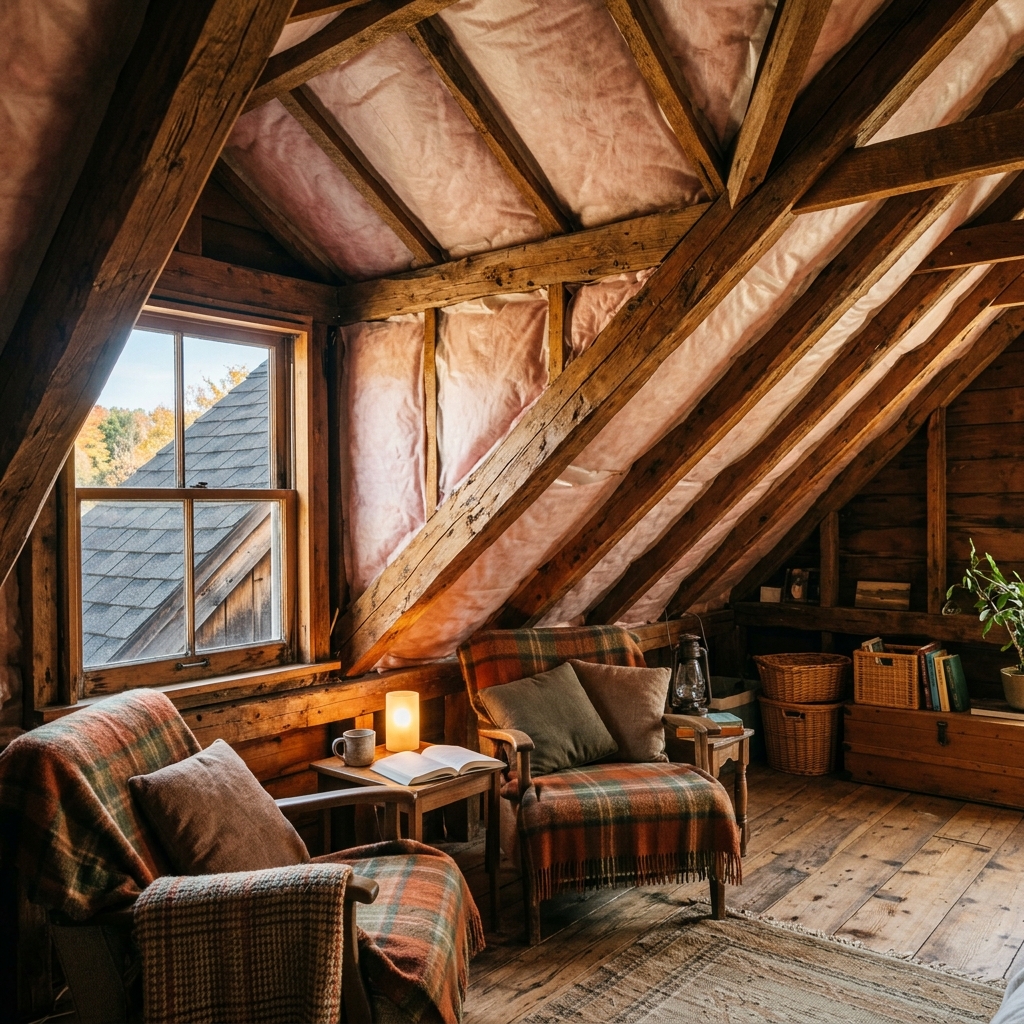
Attic insulation prevents heated air from escaping the living space and protects the roof from the damaging effects of the freeze-thaw cycles. For roof companies in Park City, the first step in the assessment process is the attic, not the roof.

Ventilation: The Second Half of the Equation

Lack of ventilation can be just as harmful as insufficient insulation. A combination of soffit intake vents and ridge exhaust vents creates a balanced system that keeps attic air circulation moving. This system removes stale air and heat in the summer and moisture in the winter. If ventilation is deficient, condensation will start to collect on the cold surfaces of the attic. This will create an environment where mold can feed on and rot the house’s wood structures. This will happen long before the roof shows any signs of wear. A good Park City roofing company will check the ventilation balance as part of their inspection, not just the materials on the roof’s outer layer.

Conclusion

Having a poor attic environment means the money spent on new roof shingles is not addressing the main problem and is therefore wasted. Keeping your attic and roof in balance can extend your roof’s life by 5 to 10 years. Before you decide to replace your roof, contact a Park City roofing company to inspect the attic, as this is where the roof’s true condition is assessed.
How to Safely Handle Water Damage from Sewage Backups

A sewer line failure instantly turns your home into a hazardous environment. Unlike standard clean water leaks, raw sewage brings dangerous bacteria, viruses, and parasites right into your living space. Fast action is absolutely essential to protect your family’s health and your property’s overall value. If you face this terrifying crisis, relying on professional Tempe water damage repair ensures your home is sanitized, dried, and restored safely.

Immediate Steps After a Sewage Backup

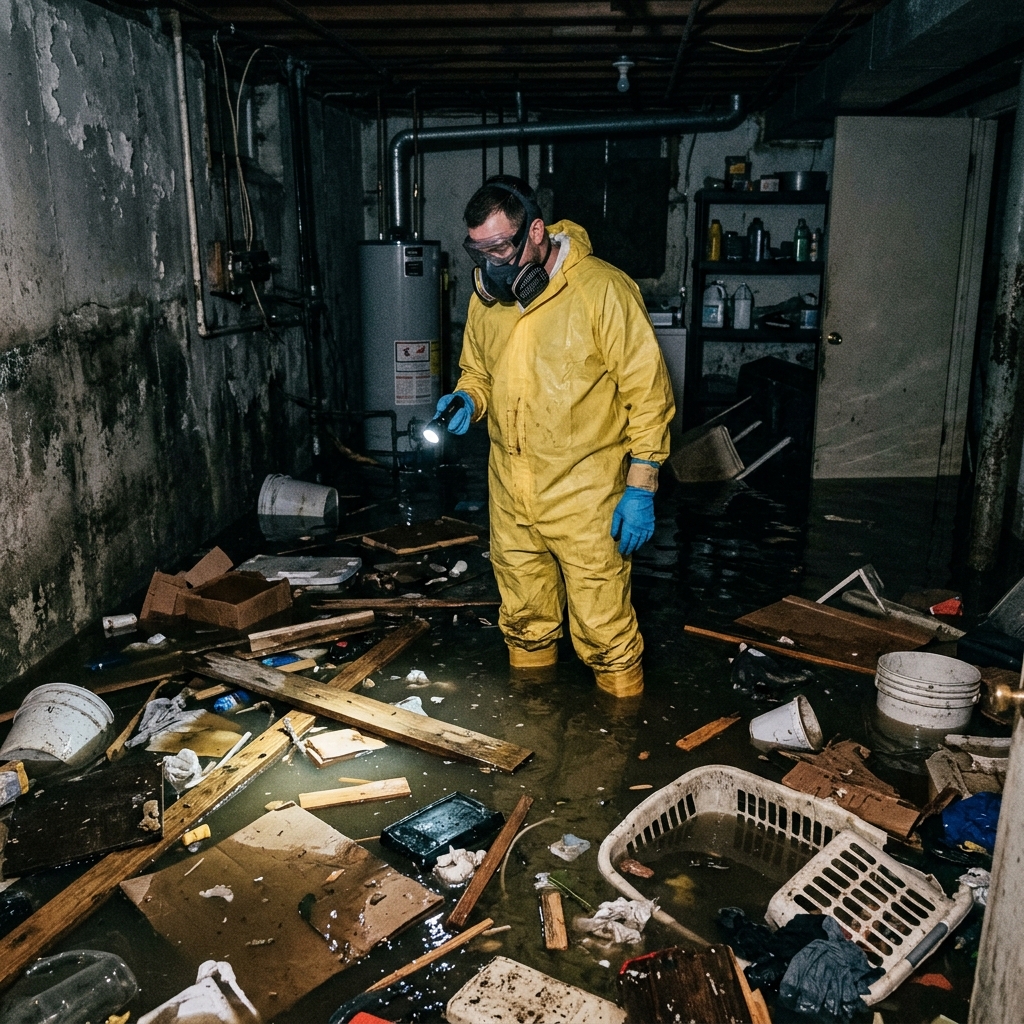
Before attempting any cleanup, prioritize your physical safety. The restoration industry classifies sewage as Category 3 water, meaning it contains severe health threats.

  • Prioritize safety gear: Never touch contaminated water without heavy-duty rubber gloves, rubber boots, sealed goggles, and an N95 respirator.
  • Shut off utilities: Turn off the main water valve to stop additional flow. If the flooding is anywhere near electrical outlets or appliances, shut off the power at the breaker box immediately.
  • Isolate the mess: Keep children, pets, and tenants far away. Close doors to contain the hazardous contamination to a single area.

The Cleanup Process: What to Do and Avoid

Proper sanitation requires strict adherence to safety protocols. A botched cleanup effort will only lead to lingering odors and toxic mold.

  • Discard porous items: Carpets, padding, upholstered furniture, and drywall soaked by sewage cannot be saved safely. Bag them tightly in heavy-duty plastic for immediate disposal.
  • Thorough disinfection: Hard, non-porous surfaces require specialized, EPA-approved biocides. Standard household bleach simply is not enough to eliminate microscopic pathogens effectively.
  • Aggressive drying: After water extraction and sanitizing, industrial air movers and dehumidifiers must run constantly to dry the structure completely.

Preventing Future Sewage Backups

Once your property is clean and safe, take proactive steps to avoid repeat disasters. Regular plumbing maintenance, like clearing tree roots from main sewer lines, is crucial for homeowners and commercial property managers alike. Never flush cooking grease, heavy paper products, or “flushable” wipes down your drains. Scheduling an annual plumbing inspection can catch hidden blockages before they burst. However, if a sudden storm or blockage causes an overflow, securing fast Tempe water damage repair will minimize your total financial loss.

When to Call Professionals for Tempe Water Damage Repair

Handling Category 3 black water is not a DIY weekend project. Improper cleaning leaves dangerous bacteria behind and puts your family at risk. For any significant spill, calling experts for Tempe water damage repair is the best way to guarantee a sanitary living environment. Professional response teams have the industrial extraction tools, advanced protective gear, and insurance claim expertise needed to get your life back to normal. By utilizing emergency Tempe water damage repair, you reduce costly downtime and stop secondary mold growth in its tracks.

Restoring Your Property Safely

Sewage emergencies require fast decisions and strict safety protocols. Always wear proper PPE, discard contaminated porous materials, and clean meticulously to prevent lasting contamination. Because black water presents severe health threats, you should never hesitate to seek expert help. Reliable Tempe water damage repair teams will restore your property safely, minimizing downtime and giving you complete peace of mind.